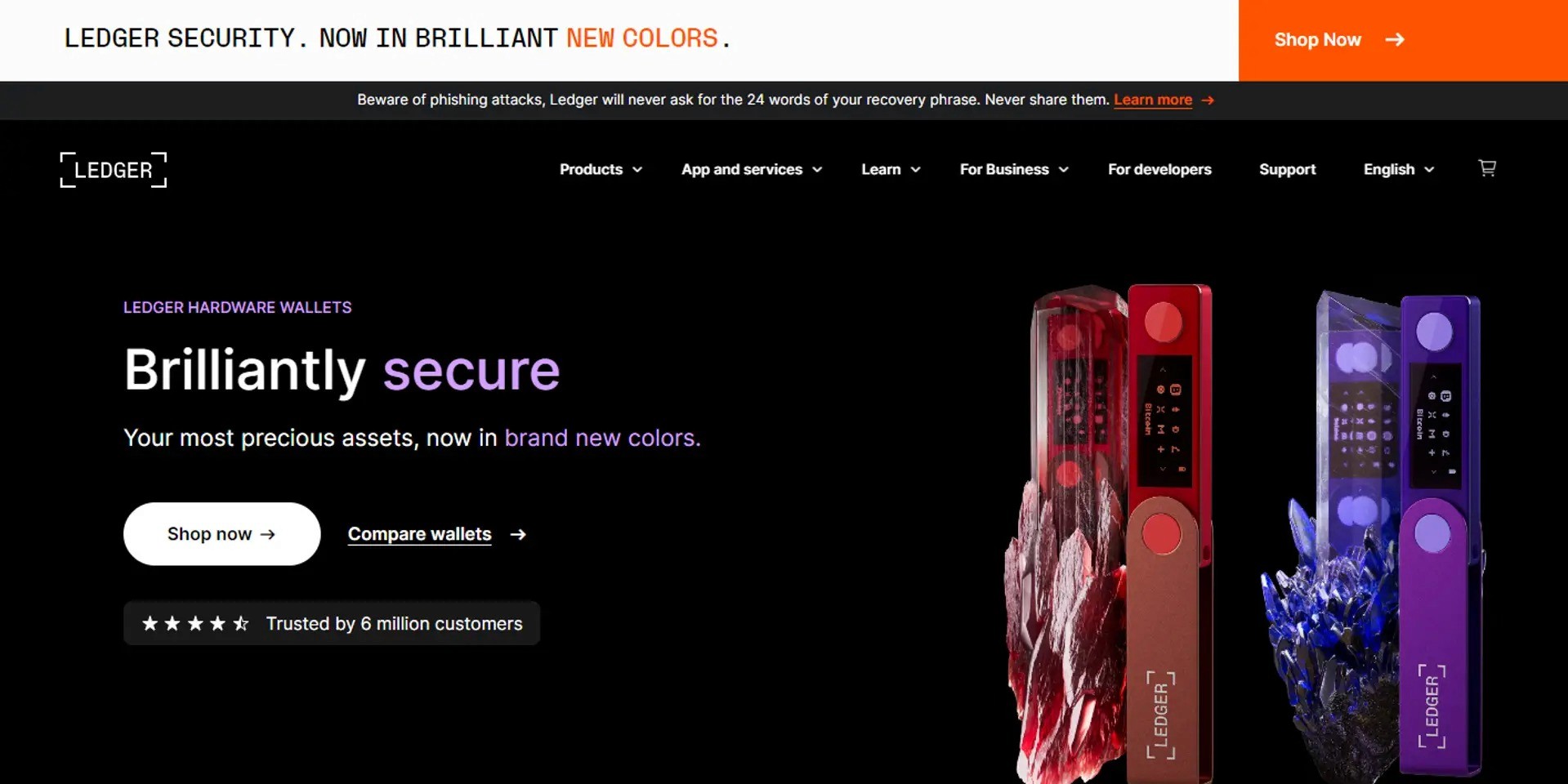
Ledger Login — The Complete Guide to Accessing Your Ledger Wallet
Introduction: Understanding Ledger Login
Ledger is one of the most popular hardware wallets for cryptocurrency. Unlike traditional online accounts, Ledger does not use usernames and passwords for login. Accessing your Ledger wallet relies on hardware-based authentication, using your Ledger device in combination with PIN codes and recovery phrases.
“Ledger login” essentially refers to connecting your Ledger hardware wallet to Ledger Live, the official software, to view balances, manage accounts, and authorize transactions securely. This guide will cover how Ledger login works, step-by-step instructions for logging in, and best practices for security.
Step 1: Prepare Your Ledger Device and Workspace
Before attempting Ledger login, ensure you have:
Hardware Requirements
Ledger device (Nano S, Nano S Plus, or Nano X)
USB cable (or Bluetooth connection for Nano X)
Recovery phrase card (provided during device setup)
Software Requirements
Ledger Live installed on your computer or mobile device
Internet connection (for balance synchronization)
Updated operating system and browser
Workspace Tips
Avoid public computers and Wi-Fi networks
Use a private, secure area to prevent shoulder surfing
Keep your recovery phrase offline and out of sight
Step 2: Download and Install Ledger Live
Ledger Live is the official application for managing your Ledger wallet:
Go to ledger.com/ledger-live and download the software for your operating system (Windows, macOS, Linux, iOS, or Android).
Install the application and launch it.
Follow the on-screen instructions to select your Ledger device model.
Ledger Live is used for account management, transaction history, crypto swaps, staking, and firmware updates.
Step 3: Connect Your Ledger Device
Plug your Ledger device into your computer using the USB cable. For Nano X, you can also use Bluetooth.
Enter your PIN code on the device to unlock it.
Note: The Ledger PIN protects the device from unauthorized access. Ledger devices do not store passwords online.
Step 4: Access Your Ledger Accounts in Ledger Live
Once connected and authenticated:
Open Ledger Live and navigate to Accounts.
Add an account for the cryptocurrency you want to manage.
Ledger Live retrieves blockchain balances and transaction history.
All transaction signing occurs on your Ledger device, meaning private keys never leave the hardware wallet.
Step 5: Sending and Receiving Cryptocurrency
Receiving Cryptocurrency
In Ledger Live, select the Receive tab.
Choose the account and cryptocurrency.
Verify the receiving address on your Ledger device.
Share the verified address to receive funds securely.
Sending Cryptocurrency
Select the Send tab.
Enter the recipient address and transaction amount.
Confirm the transaction on your Ledger device.
Transactions are signed on-device, keeping your private keys offline and secure.
Step 6: Using Your Recovery Phrase
The recovery phrase (24 words) is your ultimate backup:
If your Ledger device is lost or stolen, you can restore your wallet on a new Ledger device using the recovery phrase.
Never enter the recovery phrase online or share it.
Store it in a secure, offline location.
The recovery phrase allows full access to your crypto even if the device is compromised.
Step 7: Security Best Practices for Ledger Login
Always download Ledger Live from the official site.
Never share your PIN or recovery phrase.
Verify addresses on your Ledger device before sending crypto.
Keep firmware updated for your Ledger device.
Disconnect the device when not in use.
Consider using a passphrase for extra security.
Following these steps ensures maximum protection against phishing, malware, and unauthorized access.
Step 8: Troubleshooting Ledger Login Issues
IssueSolutionDevice not detectedTry a different USB cable, port, or Bluetooth connection for Nano XLedger Live not syncingRestart Ledger Live and check for updatesForgot PINUse recovery phrase to restore wallet on a new deviceFirmware update requiredUpdate via Ledger LiveBluetooth issues (Nano X)Ensure proper pairing and no interference
Step 9: Common Mistakes to Avoid
Storing recovery phrases digitally or online
Using simple PIN codes
Downloading Ledger Live from unofficial sources
Sharing your device or recovery phrase
Ignoring firmware updates
Avoiding these mistakes reduces the risk of theft or permanent loss of funds.
Step 10: Advanced Tips for Power Users
Keep multiple secure backups of your recovery phrase in offline locations.
Monitor account activity regularly for unauthorized transactions.
Use multiple accounts for different cryptocurrencies for easier portfolio management.
Enable optional passphrases to add an extra layer of security.
Consolidate accounts in Ledger Live to track your portfolio effectively.
Conclusion: Ledger Login is Hardware-Based and Secure
Ledger login is different from traditional online logins:
Private keys are stored offline on the device
PIN codes protect against unauthorized access
Recovery phrases allow secure wallet restoration
Ledger Live provides a secure interface for account management
By following the steps in this guide, you can securely access your Ledger wallet, manage cryptocurrency, and protect your assets from hacks, phishing, and device theft.
Ledger combines usability and security, making it a trusted solution for both beginners and experienced crypto holders.