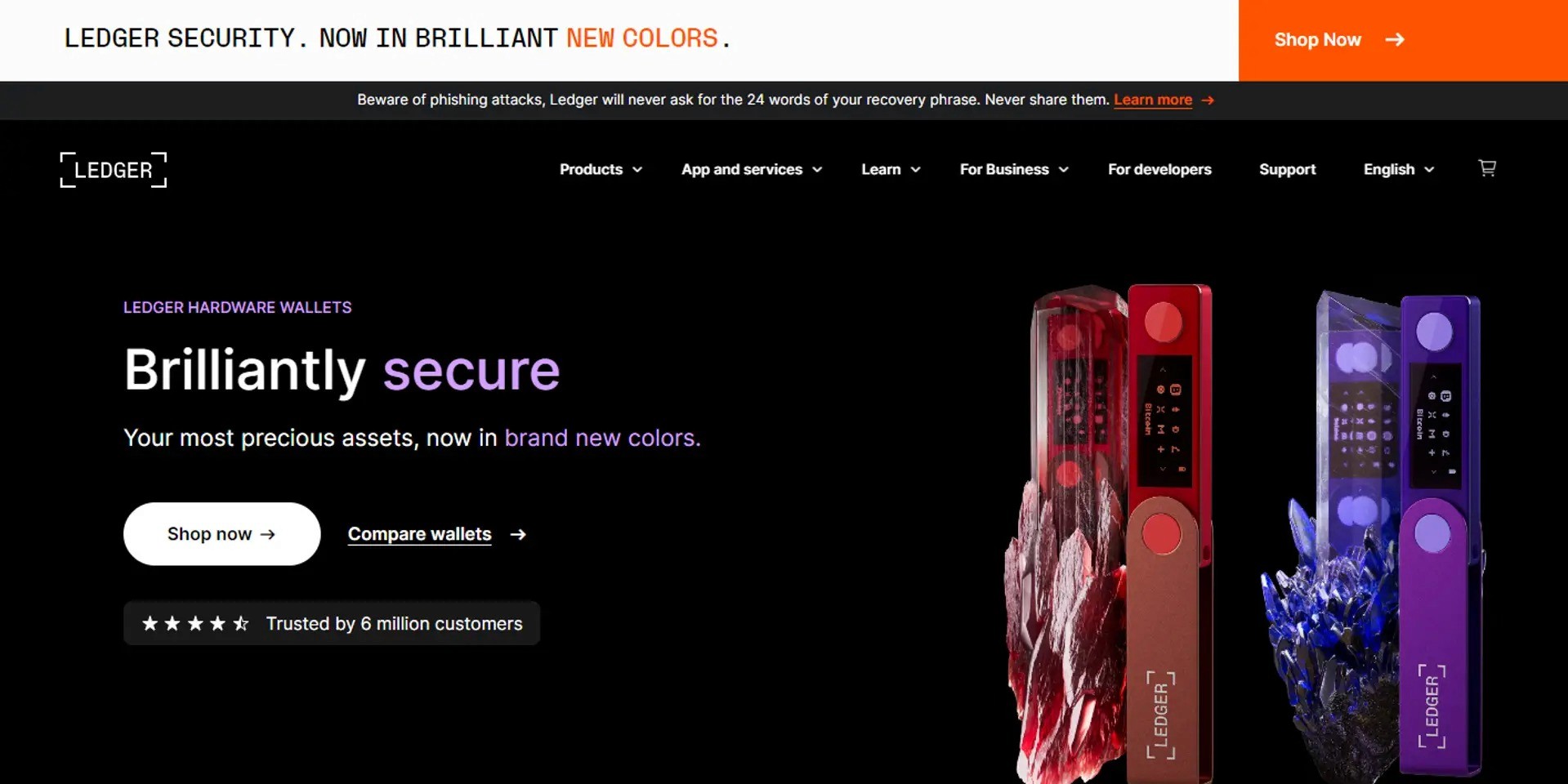
Ledger Login — Complete Guide to Accessing and Securing Your Ledger Wallet
Introduction: What is Ledger Login?
Ledger is a hardware wallet designed to provide secure storage for cryptocurrencies. Unlike online platforms, Ledger does not use traditional usernames or passwords. Logging in to your wallet requires the combination of:
Your Ledger device
PIN code set during device setup
Recovery phrase for backup and wallet restoration
Ledger Live, the official management software
Ledger login allows you to access accounts, view balances, manage transactions, and authorize crypto operations safely. This guide explains the login process, step-by-step instructions, and essential security practices.
Step 1: Preparing Your Ledger Device and Workspace
Before attempting Ledger login, ensure you have the right hardware, software, and environment:
Hardware
Ledger Nano S, Nano S Plus, or Nano X
USB cable (Nano X also supports Bluetooth)
Recovery phrase card included with your Ledger
Software
Latest version of Ledger Live installed on your computer or mobile device
Stable internet connection for blockchain synchronization
Workspace Tips
Avoid using public computers or networks
Work in a private, secure area
Keep your recovery phrase offline
Have pen and paper ready to write down any critical information
Step 2: Download and Install Ledger Live
Ledger Live is the official application for managing your Ledger wallet. It provides a secure interface for adding accounts, viewing balances, sending and receiving crypto, and managing advanced features.
Visit ledger.com/ledger-live to download Ledger Live for your operating system.
Install the application and launch it.
Select your Ledger device model when prompted.
Using official Ledger Live ensures you are protected against malware or phishing attacks.
Step 3: Connect Your Ledger Device
Plug your Ledger device into your computer using the USB cable. For Nano X, you can also connect via Bluetooth.
Enter the PIN code you created during setup.
All transactions and sensitive operations are confirmed on the device itself, keeping your private keys offline and secure.
Step 4: Access Your Ledger Accounts
Once connected:
Open Ledger Live and navigate to Accounts.
Add accounts for the cryptocurrencies you wish to manage.
Ledger Live retrieves blockchain data to show balances and transaction history.
Every transaction requires approval on the Ledger device, ensuring private keys never leave the wallet.
Step 5: Sending and Receiving Cryptocurrency
Receiving Cryptocurrency
Select the Receive tab in Ledger Live.
Choose the cryptocurrency and account.
Verify the receiving address on the Ledger device.
Share the verified address to receive funds safely.
Sending Cryptocurrency
Select the Send tab in Ledger Live.
Enter the recipient address and amount.
Confirm the transaction on your Ledger device.
Signing occurs on the device itself, providing full offline security for your assets.
Step 6: Using Your Recovery Phrase
Your 24-word recovery phrase is the most critical backup for your Ledger wallet:
Use it to restore your wallet on a new Ledger device if your current one is lost, stolen, or damaged.
Never enter it online or share it with anyone.
Store it securely offline in a private location.
The recovery phrase is your ultimate safeguard. Without it, you cannot recover your crypto.
Step 7: Security Best Practices
To maximize security during Ledger login:
Only download Ledger Live from the official site.
Never share your PIN code or recovery phrase.
Verify all recipient addresses on the Ledger device.
Keep firmware up to date.
Disconnect the Ledger device when not in use.
Consider using an optional passphrase for extra protection.
Following these practices protects your wallet from phishing, malware, and unauthorized access.
Step 8: Troubleshooting Ledger Login Issues
IssueSolutionDevice not detectedTry a different USB port, cable, or Bluetooth for Nano XLedger Live not syncingRestart the app and ensure it is updatedForgot PINRestore the wallet using your recovery phrase on a new deviceFirmware update requiredUpdate Ledger firmware via Ledger LiveNano X Bluetooth connection issuesEnsure proper pairing and minimal interference
Step 9: Common Mistakes to Avoid
Storing recovery phrases digitally or online
Using weak or predictable PINs
Downloading Ledger Live from unofficial sources
Sharing your device or recovery phrase
Skipping firmware updates
Avoiding these mistakes reduces the risk of theft and permanent loss of crypto.
Step 10: Advanced Tips for Power Users
Keep multiple secure offline backups of your recovery phrase.
Regularly check transaction history for unusual activity.
Use multiple accounts for different cryptocurrencies for easier management.
Enable optional passphrases for enhanced security.
Consolidate accounts in Ledger Live to manage your portfolio efficiently.
Step 11: Understanding Ledger Login Security
Ledger login differs from traditional online logins:
Hardware-Based Authentication: All sensitive operations are performed on-device.
PIN Protection: Secures the device against unauthorized access.
Recovery Phrase Backup: Allows wallet restoration if the device is lost.
Offline Key Storage: Ensures private keys are never exposed to the internet.
This combination makes Ledger highly secure for both beginners and experienced crypto users.
Step 12: Long-Term Ledger Wallet Maintenance
Keep firmware updated to patch vulnerabilities.
Store recovery phrases in fireproof and waterproof locations.
Avoid exposing your device or recovery phrase to untrusted parties.
Regularly review transactions for anomalies.
Consider a dedicated computer for crypto management for extra safety.
Conclusion: Ledger Login is Secure and User-Friendly
Ledger login is fundamentally different from traditional username/password systems:
Your private keys stay offline
Transactions are verified on-device
Recovery phrases allow safe restoration
Ledger Live provides a secure interface for account management
By following this guide, you can access your Ledger wallet safely, manage cryptocurrency efficiently, and protect your assets from phishing, malware, and theft. Ledger balances usability with robust security, making it a trusted choice for cryptocurrency holders.